

DEXA Scan in Austin, Texas (Congress Ave)


$37.50 – $45.00Price range: $37.50 through $45.00
DEXA Scan at Apeiron Center — Austin, TX
Apeiron Center in Austin, Texas offers advanced DEXA (DXA) body composition and bone density testing for individuals who want a precise, data-driven understanding of their body, health, and performance. Apeiron offers both DXA Body Composition and DXA Bone Density scans at its Austin facility.
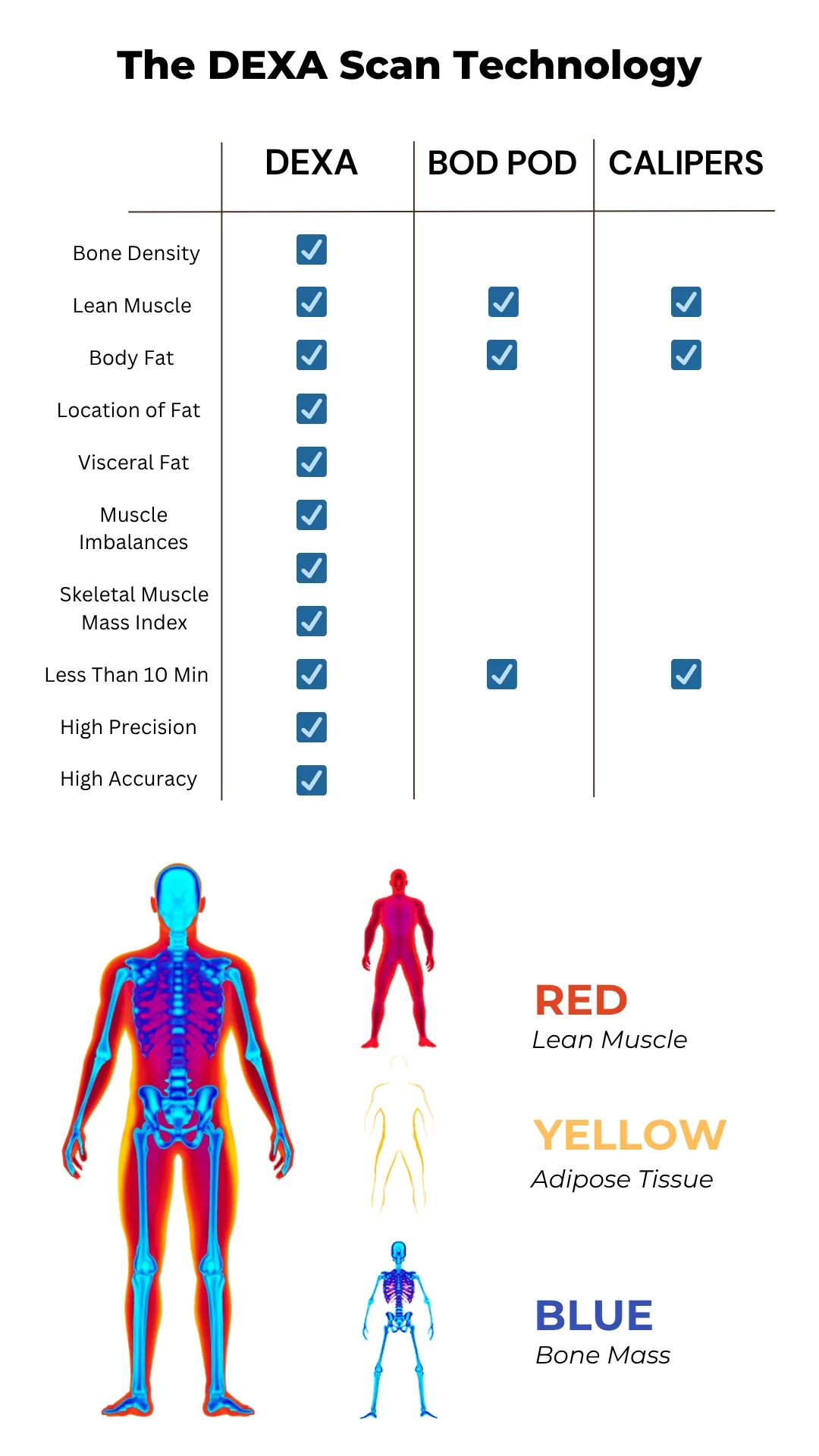
A DEXA body composition scan uses low-dose X-ray technology to precisely measure body fat, lean muscle mass, bone mass, fat distribution, and visceral fat. These measurements provide insights that go far beyond body weight or BMI and can help you establish a baseline and monitor meaningful changes over time.
DEXA testing at Apeiron Center is ideal for individuals focused on weight loss, GLP-1 progress, muscle preservation, fitness, athletic performance, bone health, preventive health, healthy aging, and longevity. Whether you’re working to reduce body fat, build or preserve muscle, monitor visceral fat, or better understand your bone health, DEXA provides objective data to help guide your health and wellness strategy.
Located in downtown Austin, Apeiron Center is convenient for clients throughout Austin, Downtown Austin, West Lake Hills, Tarrytown, Rollingwood, Barton Hills, South Congress, Zilker, Bee Cave, Lakeway, and surrounding Central Texas communities.
THE DEXA SCAN
A DEXA SCAN (DXA or Dual-Energy X-ray Absorptiometry) is the GOLD STANDARD for body composition analysis. This non-invasive, clinically trusted technology measures lean muscle, fat distribution, and bone health, helping you track progress, prevent osteoporosis, and optimize your fitness and wellness plans. Ideal for athletes, fitness enthusiasts, and anyone focused on health, DEXA provides accurate, actionable insights to make informed decisions about diet, exercise, and overall health.
Key Benefits:
BONE DENSITY (BMD) – Essential to detect Osteoporosis and help prevent Bone Fractures.
MUSCLE MASS – Data to show measurements by percentage and weight.
BODY FAT PERCENTAGE – Body fat distribution by region (arms, legs, waist and hips) Most providers also include Visceral Fat (VAT) the leading predictor of heart disease and type 2 diabetes.
Key evidence supporting “gold standard” claims:
1. Bone density (BMD) — strongest evidence: DEXA is accepted worldwide as the standard method for measuring BMD and diagnosing osteoporosis; its outputs (T-scores) directly inform clinical decisions about fracture risk and treatment.
2. Precision and reproducibility: Multiple methodological papers and reviews document low measurement error and good inter/intra-scanner precision for BMD; these properties make DEXA ideal for longitudinal monitoring.
3. Body composition reference: In body composition research, DXA is widely used as the reference comparator against which Inbody, BIA, skinfolds, BodPod, and consumer devices are validated; many validation studies show BIA and other methods have wider limits of agreement vs DXA.
4. Comparisons to CT/MRI for fat distribution: CT/MRI remain true anatomic reference standards for visceral adipose quantification. DXA provides good whole-body FM and regional measures but systematic reviews highlight limitations when quantifying intra-abdominal adipose tissue (IAAT) vs CT/MRI. Use DXA as a validated, lower-dose, more accessible reference for most clinical/research needs, but acknowledge when CT/MRI are required.
5. Population and athletic uses: For athlete monitoring and clinical populations, DXA’s segmental lean mass and regional fat measures are frequently recommended over simple field tests because they better capture body composition changes.
BOOK TODAY AT DEXASCAN.COM
| SERVICES | DEXA Body Composition, DEXA Bone Density |
|---|